New platform upgrade focuses on clarity, performance, and real-time awareness for today’s boaters.
As digital navigation continues to play a central role in how boaters plan and execute their time on the water, a major platform update is aiming to simplify what has often become an increasingly complex experience.
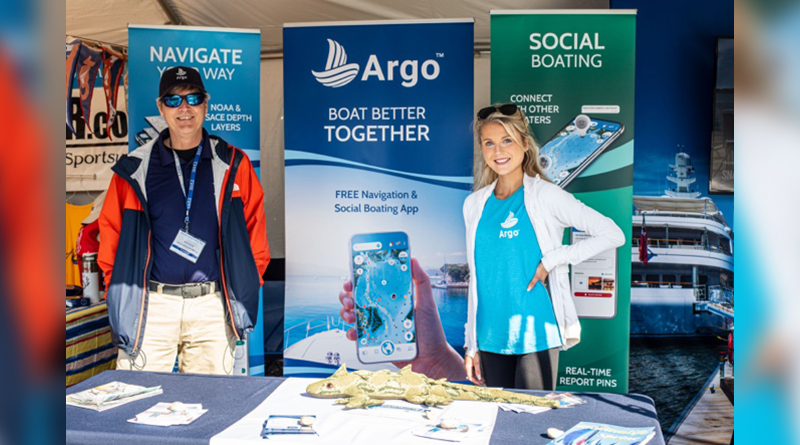
Argo has released Argo 3, the most significant upgrade to its marine navigation platform since the app’s initial launch. The update introduces a redesigned mapping engine, improved chart readability, and integrated data layers intended to help boaters better understand conditions both before departure and while underway.
For Southern California boaters, where navigating busy harbors, coastal traffic, and offshore runs requires both precision and awareness, the emphasis on clarity and speed is particularly relevant. That is especially true in high-traffic environments, where decision-making can be impacted by how clearly information is presented.
Foulk explained that Argo 3 is designed to support more informed navigation in these scenarios. “Argo 3 encourages more conservative, informed decision-making with up-to-date charts and AIS showing you what’s there,” he said. “Routes consider depth, traffic zones, and known hazards, helping boaters avoid unintentionally crossing active shipping lanes at bad angles.” He added that the platform also incorporates crowdsourced reports from other boaters, providing recent observations that go beyond what traditional charts typically offer.
“Boaters don’t need more data — they need clearer information,” Foulk said. “Argo 3 focuses on making navigation faster, simpler, and easier to understand whether you’re planning a trip at home or navigating on the water.”
At the core of the update is a newly rebuilt base map designed to improve overall performance. Tasks such as panning, zooming, switching between layers, and building routes are now noticeably faster, even in high-traffic waterways. For boaters operating in areas like Newport Harbor, Dana Point, or Marina del Rey, where quick adjustments and clear visuals can make a difference, that responsiveness offers a practical advantage.
The charting system itself is built on official sources, including NOAA, the Canadian Hydrographic Service, and the U.S. Army Corps of Engineers, ensuring that users are working with reliable, standardized data. Coverage currently spans North America, with plans to expand into international waters later this year.
Beyond speed, Argo 3 places a strong emphasis on readability. Features such as dynamic depth contours and depth shading are designed to provide clearer visual cues without overwhelming the user with excessive information. A newly introduced dynamic depth numbering system keeps depth labels upright as the chart moves and allows users to customize size, color, and density, a useful feature for navigating shallow or complex areas.
Weather integration is another key component of the update. Argo 3 incorporates wind, rain, and lightning data directly into the navigation chart, allowing boaters to view real-time conditions alongside their route. Rather than switching between multiple apps or screens, users can interpret weather patterns within the same interface they are using to navigate.
For offshore anglers and cruisers making longer runs from Southern California harbors, the platform also introduces tools designed to support both planning and tracking on the water. “Argo includes built-in search for fishing spots, artificial reefs, and points of interest,” Foulk said. “Boaters can drop pins, record tracks, and log trips, which becomes especially valuable for those returning to productive areas or refining their routes over time.”
This type of situational awareness can play an important role in trip planning and on-the-water decision-making. The platform’s updated architecture is also designed to support additional layers in the near future, including wave height, currents, and water temperature.
The broader goal is to make complex marine data more accessible without sacrificing accuracy.
As navigation tools evolve, the challenge for developers has shifted from simply providing information to presenting it in a way that is intuitive and actionable. Argo 3 reflects that shift, focusing less on the volume of data and more on how it’s delivered and understood.
Looking ahead, the update lays the groundwork for continued development, including deeper integration of bathymetric data and expanded environmental overlays. “We’ll be adding relief shading soon, which will provide fishermen with additional bottom terrain detail,” Foulk said. “We’re also working on new overlays for currents, waves, and water temperatures.”
Since its launch in 2019, Argo has positioned itself as a platform designed for a wide range of users, from first-time boaters to experienced cruisers. The app offers features such as autorouting, offline access, and extended marine forecasts, with both free and premium subscription options available.
For Southern California boaters navigating everything from coastal day trips to offshore runs, the evolution of tools like Argo reflects a broader trend in the industry. Technology is becoming less about adding complexity and more about delivering clarity, helping boaters spend less time interpreting screens and more time focused on the water ahead.