Autonomous rovers remove debris, collect data, and highlight a new approach to environmental stewardship.
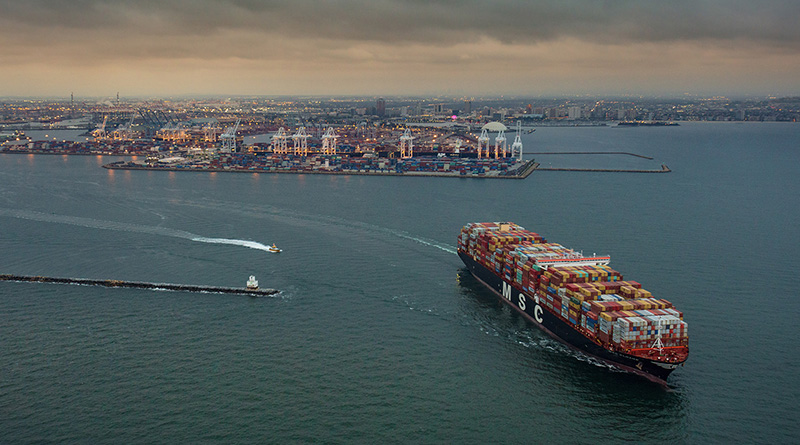
As Earth Day and Maritime Month shine a spotlight on environmental responsibility across the maritime industry, a fleet of small but powerful machines is quietly making a big impact at one of the nation’s busiest ports.
At the Port of Los Angeles, dozens of semi-autonomous cleaning robots are now patrolling the water, skimming debris from the surface and targeting pollution in areas that are often difficult to reach. Developed by Clean Earth Rovers, these vessels are designed to function much like aquatic vacuum cleaners, collecting trash, monitoring conditions, and offering a new approach to waterway management.
Over the past three months alone, the rovers have removed more than a ton of debris from the port. With operations scheduled twice a week, the program is expected to collect as much as five tons of trash over the next nine months, a meaningful step in improving water quality in a region that sees constant commercial and recreational activity.
According to Clean Earth Rovers co-founder Michael Arens, the dynamic nature of waterways presents a unique challenge, as floating debris can shift quickly with currents and wind, making timely response critical to effective cleanup efforts.
That challenge is exactly what the technology is designed to address. The rovers can be operated remotely or programmed to follow pre-set routes, allowing them to respond quickly to changing conditions. As they move across the water, they skim the surface, collecting floating debris into onboard bags capable of holding up to 200 pounds per trip.
But their role goes beyond simple cleanup.
The Rover AVPro™, the platform behind the operation, is built as a multi-functional tool for waterway management. In addition to collecting trash, it can remove oil from the surface at a rate of up to two gallons per minute, cut invasive vegetation below the surface, and even apply targeted treatments to manage algae growth. Equipped with sensors, the rover also gathers environmental data, including bathymetric mapping and air quality measurements, helping operators better understand conditions within the water.
This combination of cleanup and data collection reflects a broader shift in how ports and marinas are approaching environmental stewardship. Rather than relying solely on manual labor or reactive measures, technologies like the Rover AVPro™ allow for continuous, proactive monitoring and maintenance.
Equally important is the reduction in risk. By automating tasks that would otherwise require human crews, such as debris collection in contaminated areas or oil spill response, the system minimizes direct exposure to pollutants, bacteria, and hazardous conditions.
For a working harbor like the Port of Los Angeles, where cargo operations, recreational boating, and industrial activity all converge, that efficiency matters. The ability to deploy a single vessel that can handle multiple aspects of pollution control offers both operational and environmental advantages.
At the same time, Arens has emphasized in previous reporting that waste does not simply disappear once discarded, noting that debris often finds its way into waterways and coastal environments if not properly managed.
That message aligns closely with the themes of both Earth Day and Maritime Month, when the focus turns to the long-term health of oceans, harbors, and coastal ecosystems. While innovations like autonomous cleanup vessels represent progress, they also highlight the scale of the issue and the importance of prevention at the source.
For Southern California boaters, the effort underway at the Port of Los Angeles is a visible example of how technology and environmental responsibility are beginning to intersect in meaningful ways. From reducing floating debris to improving water quality and collecting actionable data, these rovers are helping reshape what routine maintenance of a waterway can look like.
And while they may be small in size, their impact is steadily growing.
As the rovers continue their work in the months ahead, removing debris, tracking conditions, and adapting to the ever-changing environment of the harbor, they represent more than just a cleanup tool. They are part of a larger movement within the maritime industry, one that is increasingly focused on sustainability, innovation, and the shared responsibility of protecting the waters that so many depend on.
In a region defined by its connection to the ocean, that effort isn’t just timely. It’s essential.
For more information, visit cleanearthrovers.com/.