



Mark your calendars, because there’s another important marine flare collection event that boaters across California should be taking advantage of. As California’s boating community prepares for another busy season on the water, a coalition of state and local agencies is working together to address a growing environmental and safety concern — the proper disposal of expired marine flares.
In a major statewide initiative, Alameda County, Del Norte County, West Contra Costa County, Marin County, Santa Cruz County, the City of Santa Barbara, the Ports of Los Angeles and San Diego, the City of Oceanside, and the California Product Stewardship Council have joined forces with CalRecycle and California State Parks and Coastal Commission’s Boating Clean and Green Program to host a series of marine flare collection events this fall. The campaign’s goal is twofold: to provide boaters a safe, legal way to dispose of expired flares and to educate the public about safer, reusable alternatives that protect both people and the marine environment.
A Unified Effort for Safety and Sustainability
The initiative is part of California’s broader push toward sustainable boating practices. “Expired marine flares represent one of the most common and hazardous waste challenges in recreational boating,” said a spokesperson from the Boating Clean and Green Program. “They contain explosives and toxic chemicals that, if disposed of improperly, can harm our waterways and coastal habitats.”
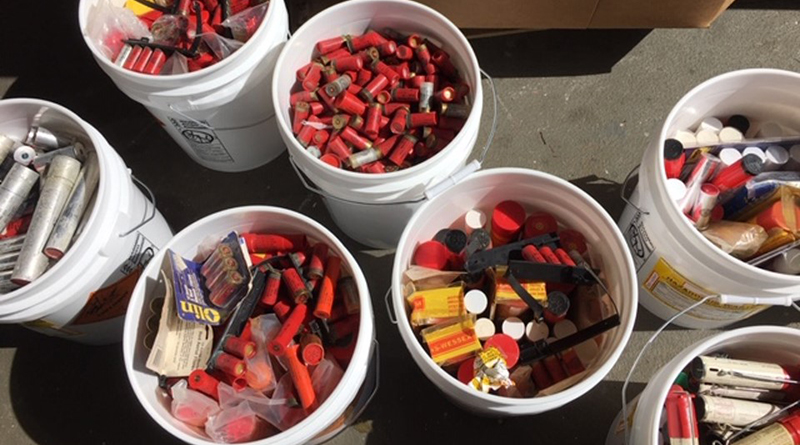
Under U.S. Coast Guard regulations, recreational vessels must carry several unexpired visual distress signals (VDS) onboard—both for daytime and nighttime use. Pyrotechnic flares remain one of the most widely used VDS devices, but they expire every 36 to 42 months, creating an ongoing disposal issue for boaters. A 2011 study by the California Expired Marine Flare Working Group estimated that recreational vessels generate more than 174,000 expired flares annually. Each one is a potential safety hazard if not handled properly.
Without a permanent statewide disposal program, many boaters are left unsure of how to get rid of their expired flares. Throwing them in the trash or overboard is not only dangerous but also illegal, as flares are considered hazardous waste. The new series of collection events aims to fill that gap — temporarily but effectively by offering safe, county-run drop-off locations across California.
Statewide Collection Events
Each collection event is open to residents and boaters berthing their vessels within the participating counties and cities. Proof of residence or eligibility, such as a driver’s license, boat registration, or slip fee receipt, is required. Organizers stress that only residential marine flares will be accepted; commercial flares, organizational waste, or other forms of hazardous materials will not be allowed.
Events Scheduled for Northern California:
- West Contra Costa County: Wednesday, Oct. 29 to Saturday, Nov. 8, 2025; 9:00 a.m. to 4:00 p.m.; at 101 Pittsburg Avenue, Richmond
- Del Norte County: Saturday, Nov. 8, 2025; 10:00 a.m. to 2:00 p.m.; at 1700 State Street, Crescent City
- Marin County: Sunday, Nov. 9, 2025; 8:00 a.m. to 12:00 p.m., at Clipper Yacht Harbor, 310 Harbor Dr., Sausalito
- Alameda County: Sunday, Nov. 9, 2025; by appointment only, 9:00 a.m. to 1:00 p.m.; (appointments at stopwaste.org/marineflares)
- Santa Cruz County: Sunday, Nov. 9, 2025; 8:00 a.m. to 12:00 p.m.; at 425 Brommer Street, Santa Cruz
Events Scheduled for Southern California:
- San Diego County: Saturday, Nov. 15, 2025; 8:00 a.m. to 12:00 p.m.; at 2210 Shelter Island Dr., San Diego
- Los Angeles County: Saturday, Nov. 15, 2025; 10:00 a.m. to 2:00 p.m.; at Cabrillo Way Marina, 2293 Miner St., San Pedro
- City of Oceanside: Saturday, Nov. 15, 2025; 8:00 a.m. to 12 p.m.; at 1850 North Harbor Dr., Oceanside
- Santa Barbara County: Sunday, Nov. 16, 2025; 8:00 a.m. to 12:00 p.m.; at City of Santa Barbara Waterfront, 132-A Harbor Way, Santa Barbara
Residents can find additional information and event flyers through the California Boating Clean and Green Program’s website and regional outreach materials.
The importance of these events goes beyond convenience; they address both safety and environmental responsibility. Improperly stored or discarded flares can leak toxic chemicals such as perchlorates, which contaminate soil and groundwater. They also pose a fire hazard if accidentally ignited in storage or trash bins.
By partnering with CalRecycle and local agencies, the state aims to prevent pollution while fostering awareness about alternative distress signaling devices, such as electronic Visual Distress Signal Devices (eVDSDs). These LED-based systems are reusable, battery-powered, and Coast Guard-approved, eliminating the need for explosive materials altogether.
“Electronic distress signals are a safer and more sustainable option,” said one representative from the California Product Stewardship Council. “They never expire, they don’t create hazardous waste, and over time they’re far more cost-effective for boaters.”
Currently, California does not have a permanent statewide disposal program for expired marine flares, meaning events like these play a critical role in filling that gap. The participating counties and coastal cities, stretching from Crescent City to San Diego, represent a unified commitment to cleaner harbors and safer boating.
In addition to accepting expired flares, the events will also provide education on flare safety, proper storage, and disposal, as well as demonstrations on electronic alternatives. Organizers hope that boaters who participate will spread the word within their marinas and yacht clubs, encouraging responsible practices throughout the state.
The collaboration underscores a broader shift within the maritime community, one toward cleaner, greener, and more self-sustaining boating practices. The California Boating Clean and Green Program, established by the State Parks Division of Boating and Waterways and the California Coastal Commission, has long promoted responsible boating through programs focused on fuel management, oil spill prevention, and waste reduction. The flare collection initiative is a natural extension of that mission.
As the state continues to promote environmental stewardship, events like these represent a tangible way for boaters to contribute to a cleaner coast. Each flare collected means fewer pollutants entering the water and fewer safety risks onshore. The initiative also reflects California’s growing leadership in sustainable boating, setting an example for other coastal states to follow.
For boaters, participation is simple but significant: safely disposing of expired flares keeps families, marinas, and marine life safer. “Every flare collected helps protect our oceans, our harbors, and our communities,” said one organizer. “It’s a small action that adds up to a big difference.”
To learn more about proper marine flare management, including storage, disposal, and reusable distress signal options, visit dbw.parks.ca.gov/marineflares or listen to the California Boating Clean and Green Program’s educational podcast on the topic.