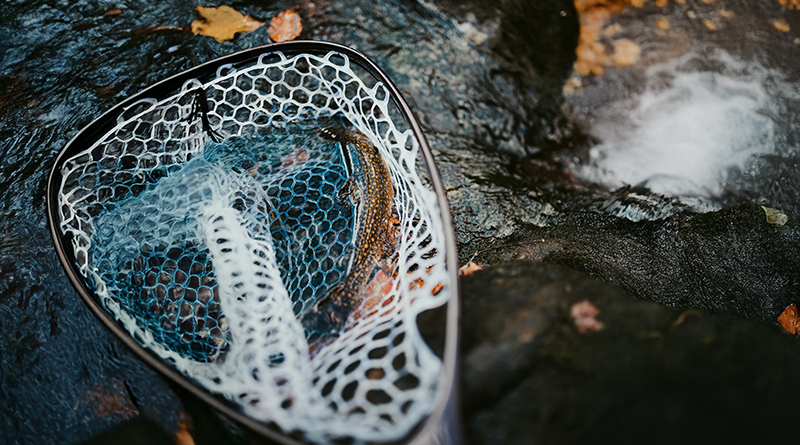
For the first time in over six decades, coho salmon have returned to the upper Klamath River Basin, reclaiming their historic spawning grounds following the removal of the Iron Gate Dam. The California Department of Fish and Wildlife (CDFW) has confirmed the presence of these threatened fish in waters they have not occupied since the dam’s construction in the early 1960s. This significant moment underscores the transformative impact of restoring waterways and removing barriers to migration.
On November 13, 2024, seven coho salmon were documented entering CDFW’s new Fall Creek Fish Hatchery, located on Fall Creek in Siskiyou County. Fall Creek, a tributary of the Klamath River, lies approximately 7.5 miles upstream of the former dam site, and its accessibility marks a major success in efforts to restore fish habitats in the region.
Eric Jones, Senior Environmental Scientist overseeing hatchery operations in Northern California, touted the rapid return of the coho. “To see coho successfully returning this quickly to this new habitat post-dam removal is exciting,” Jones said. “We’ve already seen the Chinook make it back, and now we’re seeing the coho make it back.”
Among the seven returning coho, four were identified as male and three as female. Two of the fish were of hatchery origin, evidenced by their missing adipose fins, while the remaining five were natural origin fish. To ensure the genetic diversity of future populations, CDFW is holding the coho at the Fall Creek Hatchery for genetic testing. Scientists at the NOAA Southwest Fisheries Science Center will analyze the genetic profiles of these fish to guide spawning efforts and maximize diversity in the species’ recovery.
Coho salmon in the Klamath Basin are listed as a threatened species under both state and federal endangered species acts. Unlike fall-run Chinook salmon, which return earlier in the season, coho typically spawn later in the fall and winter. To support the recovery of coho salmon in the newly accessible upper Klamath watershed, the Fall Creek Fish Hatchery has set an ambitious annual production goal of 75,000 coho salmon.
Meanwhile, CDFW is continuing its work to restore the overall salmon population in the Klamath Basin. In a separate effort, approximately 270,000 yearling fall-run Chinook salmon were released into Fall Creek last week. This marked the first yearling release following the removal of the Iron Gate Dam and was the final hatchery release of 2024. The young salmon, measuring four to six inches in length, were released at dusk over four days to improve survival rates as they entered the wild. According to Crystal Robinson, Senior Environmental Scientist and Klamath Watershed Program Supervisor, these yearlings are expected to exhibit some of the highest rates of return as adults due to their size and the optimal river conditions during their release.
The newly operational Fall Creek Fish Hatchery, a $35 million state-of-the-art facility, began spawning fall-run Chinook salmon in late October. To date, the hatchery has successfully spawned 100 fish and collected 277,393 eggs, with an annual goal of producing 3.25 million Chinook salmon. The facility’s efforts align with California’s broader strategy to modernize salmon hatcheries and expand habitat access for these vital species.
CDFW’s work in the Klamath Basin is part of a larger, coordinated effort involving multiple state and federal agencies, tribal organizations, and non-governmental groups. Together, they are monitoring the newly accessible 420 miles of habitat opened by dam removal. CDFW is particularly focused on tributaries within former reservoir areas, such as Jenny and Shovel Creeks. To date, a video fish counting weir on Jenny Creek has recorded 310 adult Chinook salmon and one Pacific lamprey entering the tributary. Field crews are also actively surveying for salmon nests, or redds, and post-spawned adults.
This extensive salmon restoration work reflects the priorities outlined in Governor Gavin Newsom’s California Salmon Strategy for a Hotter, Drier Future, released earlier this year. These priorities include removing barriers to migration, restoring habitat, improving water quality, modernizing hatcheries, and fostering partnerships to address climate challenges.
The return of coho salmon to the upper Klamath River Basin demonstrates the potential for natural repopulation when barriers are removed. According to CDFW’s Klamath River Anadromous Fishery Reintroduction and Monitoring Plan, the post-dam removal strategy relies primarily on these species repopulating the newly accessible habitat naturally. This milestone marks a hopeful step forward for salmon recovery in California and a testament to the importance of restoring ecosystems to ensure the survival of endangered species.