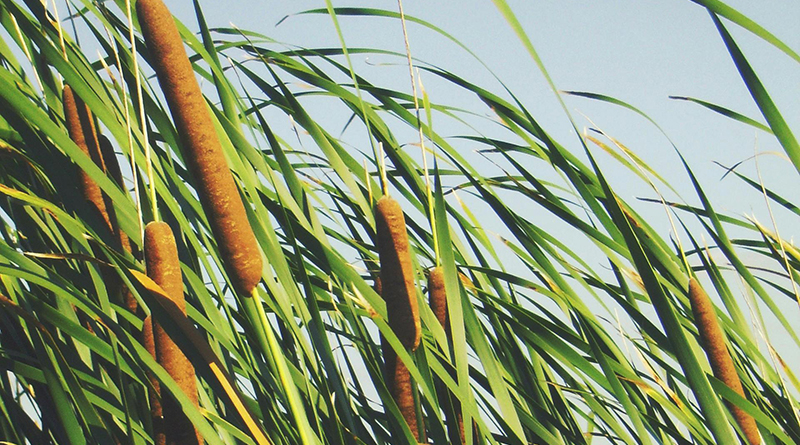
Talbert Marsh has long served as a rare coastal refuge for wildlife in the heart of an urban landscape. Now, a new conservation effort is underway to protect one of the marsh’s most vulnerable areas from erosion, using a nature-based approach designed to work with the environment rather than against it.
Erosion has steadily eaten away at a small island within Talbert Marsh, an area that provides critical nesting habitat for endangered bird species. The loss of sediment has raised additional concerns beyond wildlife impacts, as the erosion is occurring near infrastructure that supports a streetlight at the intersection of Brookhurst Street and PCH. Continued land loss could eventually threaten the stability of the electrical pole, creating potential safety issues along one of the region’s busiest roadways.
To address the problem, the Huntington Beach Wetlands Conservancy has launched a pilot “living shoreline” project intended to slow erosion and stabilize sediment naturally. The effort relies on coconut fiber logs secured with wooden stakes to form a low-profile barrier that absorbs wave energy, reduces tidal scouring, and helps keep sand and silt in place. Over time, the materials are expected to blend into the marsh and support the growth of native plants and marine organisms.
Unlike traditional erosion-control methods such as rock revetments or concrete walls, living shorelines are designed to preserve the ecological function of coastal habitats. Hardscaping solutions can stop erosion in one area but often create unintended consequences elsewhere, such as increased wave reflection and habitat loss. By contrast, natural materials are increasingly being used throughout Southern California to protect shorelines while maintaining biological diversity.
Similar approaches have already been implemented in nearby coastal areas, including Newport Back Bay and Huntington Harbour, where oyster shells and coconut fiber materials have been used to stabilize sediment. In Talbert Marsh, OC Public Works previously installed a small number of coconut fiber logs, laying the groundwork for the larger effort now underway.
The current project will ultimately place 120 coconut fiber logs along the eroding island edge. The first phase began this week, with volunteers installing 36 logs during a series of low-tide work sessions. Once the logs are fully in place, native vegetation will be planted on and around them. As the plants establish roots and spread, they are expected to further anchor sediment and reduce erosion by slowing water movement across the marsh surface.
The work is labor-intensive and must be carefully timed. Construction activities can only take place during low tides, meaning work schedules will vary over the coming months. In addition, all installation must be completed before the start of the spring nesting season to avoid disturbing sensitive bird populations. As a result, the project is expected to continue through the winter, with additional volunteer days planned over the next several months.
Talbert Marsh and the surrounding Huntington Beach wetlands support an impressive diversity of wildlife. More than 90 bird species have been documented in the area, including both year-round residents and migratory birds traveling along the Pacific Flyway. Each year, thousands of birds rely on the wetlands as a resting and feeding stop as they move between northern breeding grounds and southern winter habitats.
The marsh also plays an important role in water quality. While much of the marsh water comes from seawater entering through an ocean inlet beneath Pacific Coast Highway, freshwater flows into the system during winter rains via storm drains. As runoff moves through the wetlands, vegetation and sediments help filter pollutants before the water reaches the ocean, providing a natural form of water treatment in an otherwise heavily urbanized watershed.
Habitat loss throughout Southern California has made the protection of remaining wetlands increasingly urgent. Conservation groups estimate that only a small fraction of the region’s original wetlands remain, with much of the loss attributed to development, altered waterways, and shoreline erosion. Projects like the Talbert Marsh living shoreline aim not only to preserve what remains, but to improve habitat quality and resilience in the face of climate change and rising sea levels.
From a scientific standpoint, the project will also serve as a test case. Monitoring will be conducted to evaluate how well the coconut fiber logs retain sediment, how native plants establish themselves, and whether the area begins to attract additional wildlife. Success will be measured through soil retention data, vegetation growth, and the presence of native species over time. The project is being carried out under permits that require ongoing restoration and monitoring, including the removal of invasive species and continued erosion control.
One of the goals of the project is to prevent further land loss without resorting to heavy machinery, which can damage sensitive habitats. By using biodegradable materials and volunteer labor, the effort minimizes disturbance while offering a long-term solution rooted in natural processes.
Community involvement has been central to the project’s launch. Volunteers from across the region have joined conservation staff in the marsh, driven by a desire to protect local ecosystems and contribute to hands-on restoration work. For many, the opportunity to work directly in a coastal wetland offers a tangible way to support environmental stewardship close to home.
If successful, the Talbert Marsh living shoreline could provide a model for similar projects elsewhere along the Southern California coast. As erosion, sea-level rise, and habitat loss continue to challenge coastal environments, nature-based solutions may become an increasingly important tool for protecting both wildlife and infrastructure.
In a landscape shaped by roads, development, and constant human activity, the effort underway at Talbert Marsh reflects a growing recognition that sometimes the best way to protect the shoreline is to let nature lead the way.