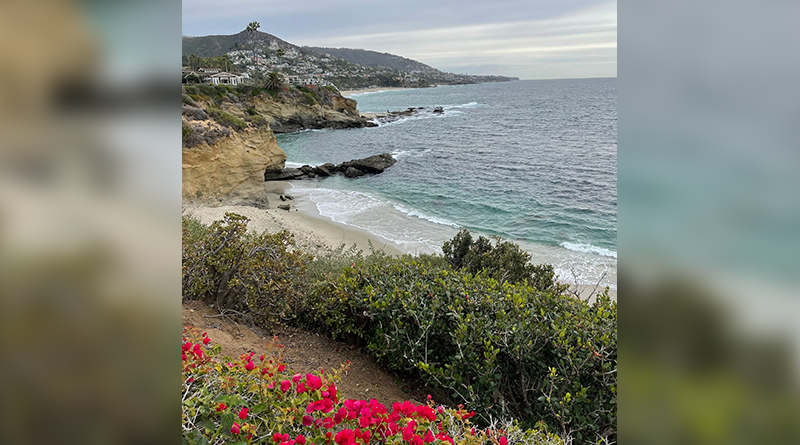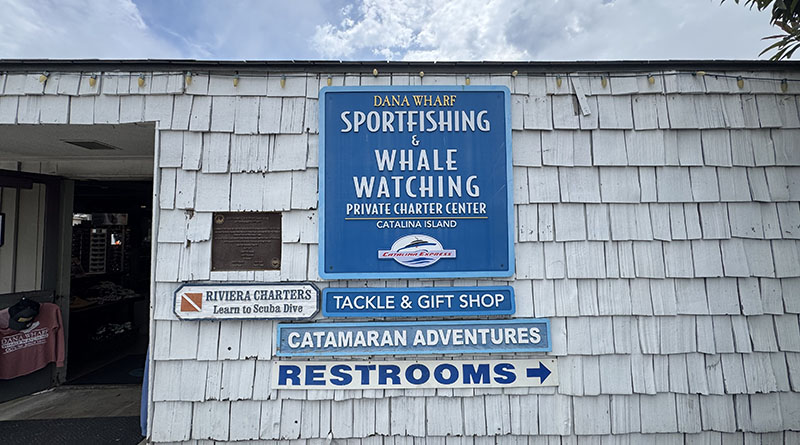
Dana Point has long been known as a maritime hub, a place where sailors, anglers, and coastal families gather to enjoy the Pacific. Tucked between Laguna Beach and San Clemente, this harbor town combines scenic cliffs, sandy stretches, and an active waterfront that attracts thousands each year. Fishing is central to that identity, offering opportunities for everyone from seasoned offshore captains chasing tuna to visitors simply casting a line from the jetty. The range of options available reflects the character of Dana Point itself: accessible, diverse, and steeped in a culture that values both the ocean and the community that thrives along its edge.
For many, the heart of Dana Point fishing begins on the water itself. Charter services provide access to offshore and nearshore waters where yellowtail, dorado, tuna, halibut, and white seabass make seasonal appearances. Dana Wharf Sportfishing, one of the most established operators in Southern California, maintains a fleet large enough to accommodate every type of trip. Their lineup includes vessels like the Clemente and Sum Fun, 65-foot boats equipped with galleys and space for up to 60 passengers, ideal for group outings. The Fury brings a reputation for bait capacity and endurance, while the Helena and New San Mateo cater to smaller groups with faster runs to productive grounds. The Reel Fun, a 58-foot boat designed with wheelchair access, underscores the fleet’s focus on accessibility.
Beyond the sportfishing vessels, Dana Wharf operates luxury and smaller fishing yachts for private parties. Boats like the Current, a 53-foot Hatteras with upscale amenities, or the 42-foot Hot Spot provide an intimate experience for groups of four to six. Smaller craft like the Lex Sea or Second Chance suit anglers seeking flexibility and a personal approach.
While these vessels often head offshore, the captains are equally capable of working nearshore waters where bass, halibut, and rockfish thrive. Dana Wharf also manages specialty vessels such as the Dana Pride, a 95-foot whale-watching boat, and the historic schooner Curlew, both of which reinforce the harbor’s role as more than just a fishing destination. For detail, go to danawharf.com.
In addition to Dana Wharf, a number of independent charter companies offer highly customized experiences. One of the most recognized among them is Dana Point Fishing Charters, a locally rooted business specializing in private trips for one to six passengers. The captains who lead these trips grew up fishing out of Dana Point Harbor and have turned their lifelong passion into full-time careers. Their approach emphasizes both knowledge of the local waters and the flexibility of catering each trip to the needs of their clients. This means that a family hoping to stay nearshore and target halibut, rockfish, or white seabass will find the same level of expertise and commitment as a group pursuing tuna, dorado, or yellowtail offshore.
Dana Point Fishing Charters prides itself on being part of a close-knit network of fishermen who regularly share information about conditions and fish activity, a collaboration that translates directly into a higher chance of success for customers. With vessels outfitted specifically for Southern California’s conditions and a focus on creating memorable experiences, the company represents a distinctly local perspective on what makes fishing out of Dana Point so rewarding. For more, visit danapointsportfishing.com.
Smaller-scale charters like Left Coast Sportfishing and Pacific Mistress also contribute to the harbor’s reputation for diversity. Left Coast offers private trips with a maximum of four passengers, tailoring outings to specific species or methods. Pacific Mistress, captained by Anton Faicchio, brings a high level of customization aboard a state-of-the-art boat with advanced sonar, refrigerated holds, and onboard comforts. These smaller operators appeal to anglers seeking flexibility and the opportunity to pursue targeted goals, whether that’s seasonal offshore species or nearshore fishing. Together, these independent charters complement the larger-scale group trips provided by Dana Wharf, ensuring that anglers of every preference can find an option that fits. For more information about Left Coast Sportfishing, visit leftcoastsportfishing.com; and for more about Pacific Mistress, visit pacificmistress.com.
Fishing in Dana Point does not require a boat, however. The harbor itself provides opportunities along public jetties and designated areas where anglers cast into the channel or surf. These rocky outcrops and sandy edges are frequented by those targeting surfperch, croaker, corbina, and halibut. The outermost jetties and the small pier remain popular spots, drawing both locals and visitors who value the simplicity of shoreline fishing. For travelers, this accessibility is appealing; fishing from these public areas doesn’t require a license, a unique advantage under California law. Families with children often take advantage of this, introducing the next generation to the sport without the added step of licensing.
Outside of these designated zones, fishing regulations are more stringent. Anyone 16 years or older who fishes from a private boat, kayak, or outside public piers and jetties must hold a valid California fishing license. The California Department of Fish and Wildlife (CDFW) enforces these rules to ensure sustainable practices and protect marine habitats. Licenses are available through the CDFW website and at local retailers. Enforcement also extends to restricted areas within Dana Point Harbor, where fishing is prohibited near the bait barge and the Ocean Institute cove. These areas serve ecological and operational purposes, protecting marine resources and ensuring safe navigation.
The broader coastal environment also plays a role in shaping fishing opportunities. Dana Point lies adjacent to the Dana Point State Marine Conservation Area (SMCA), which covers nearly four square miles of marine habitat. Within the SMCA, regulations prohibit the take of most marine resources, with exceptions allowing recreational hook-and-line fishing for finfish, spearfishing, and limited lobster and urchin collection. Tidepool harvesting is strictly prohibited, reflecting the state’s effort to preserve fragile intertidal ecosystems. The SMCA balances recreational use with conservation, offering divers, snorkelers, and tidepool explorers the chance to encounter vibrant marine life — from leopard sharks to garibaldi — while ensuring that fishing activity aligns with long-term sustainability.
Fishing on the shoreline extends beyond the harbor itself. Doheny State Beach is a central location for surf anglers, many of whom target corbina, surfperch, and halibut along the sandy shallows. The beach holds cultural significance as well, known as the birthplace of modern California surf culture in the 1950s and 1960s. Today, surfers ride long, mellow waves just a short distance from where anglers cast lines, a reminder of how Dana Point accommodates multiple coastal traditions in harmony. To the south, Salt Creek draws more advanced surfers, while its rocky points and deeper waters create different conditions for fishing.
For newcomers, the range of options can feel overwhelming. Group charters offer an easy entry point, with experienced captains and deckhands providing guidance on equipment, bait, and techniques. Private charters appeal to those seeking flexibility, privacy, or a more personalized style of fishing. Shore fishing allows for spontaneity, minimal cost, and family-friendly accessibility, while surf fishing connects anglers with the ebb and flow of the coastline itself. Each approach carries its own rhythm, shaped by time, budget, and the species targeted.
The local fishing community helps bridge those options. Captains and operators often share knowledge with one another, tracking movements of fish and conditions offshore. Tackle shops and bait stands provide advice and gear suited to the season, whether it’s spring halibut or summer yellowtail.
Regulations enforced by the CDFW remind anglers of their responsibility to protect marine ecosystems, while the presence of marine protected areas highlights the balance between recreation and conservation. For visitors, this creates a fishing culture that’s welcoming yet mindful, rooted in a respect for the ocean that sustains it.
Fishing in Dana Point, then, is not just one experience but many. Charter boats bring anglers to offshore grounds where powerful gamefish test skill and endurance. Smaller private charters provide tailored days on the water, while shoreline anglers work the jetties and beaches for accessible catches. The rules are clear: licenses are required in most situations, restricted areas must be respected, and conservation areas demand special care. Within those boundaries, however, lies a wide spectrum of possibilities. Families, seasoned anglers, and first-timers alike can find a place in Dana Point’s fishing landscape.
The appeal of fishing here extends beyond the practical details of boats, gear, and regulations. It’s in the sight of a jetty lined with locals at sunset, rods angled toward the horizon. It’s in the camaraderie of a group trip offshore, the excitement of a child’s first perch, and the quiet patience of surfcasting at dawn. Dana Point’s harbor and coastline invite all those moments, not by favoring one type of fishing over another but by offering them all. That inclusivity defines the harbor’s character and secures its reputation as a destination where the ocean remains both a resource and a shared experience.