Thanksgiving in Southern California often looks a little different from the postcard version celebrated elsewhere. While much of the country prepares for snow, roasts turkeys indoors and settles into warm living rooms, coastal communities welcome the season with harbor lights, boat parades and gatherings that reflect a life lived close to the water. This blend of maritime tradition and holiday ritual has deep roots, reaching back to the earliest moments of American history and continuing through centuries of celebrations at sea and in port.
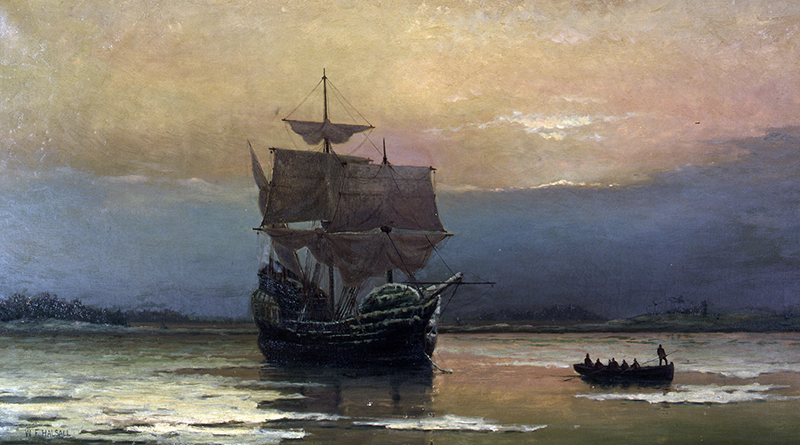
The connection between Thanksgiving and seafaring life begins long before anyone carved a turkey or wrote the word pilgrimage in a history book. On November 21st of the year 1620 the Mayflower anchored at Cape Cod after a long and brutal Atlantic crossing. The date would later become part of the seasonal timeline that leads into the first recorded harvest feast.
While the famous meal took place nearly a year later, the anchoring of the ship marked a turning point for the passengers who had endured weeks of storms, illness and uncertainty. Their arrival in the shelter of Provincetown Harbor gave them a moment of relief and a chance to gather strength before continuing on to Plymouth. It also began a long tradition of maritime arrivals tied to the gratitude of surviving the sea.
Although Thanksgiving as a holiday developed much later, ships continued to play an important role in the way it’s observed by Americans. Throughout the nineteenth and twentieth centuries, crews found ways to honor the day from the decks of whalers, merchant vessels and naval ships. Logs from deep sea voyages often reveal modest celebrations featuring whatever the galley could produce. Sailors recorded meals of salt pork, hard biscuits and canned vegetables that had traveled thousands of miles, yet even these humble dishes carried a sense of ceremony. For many crews the simple act of gathering together was a reminder that even far from home, they could create a moment of comfort.
One of the more memorable holiday accounts comes from the USS Georgia in 1918. The battleship was assigned to post war troop transport missions and prepared for departure during the final weeks of November. Before the ship began its work, the crew was treated to a Thanksgiving feast created entirely at sea. Officers recorded the menu, which included roast turkey, oyster dressing and the sort of desserts typically served in a traditional domestic kitchen. For sailors who had spent years in wartime conditions, the meal felt like a return to familiar traditions even as they remained thousands of miles from home. Their celebration became one of many examples of how the holiday has traveled with American service members across oceans and through changing eras.
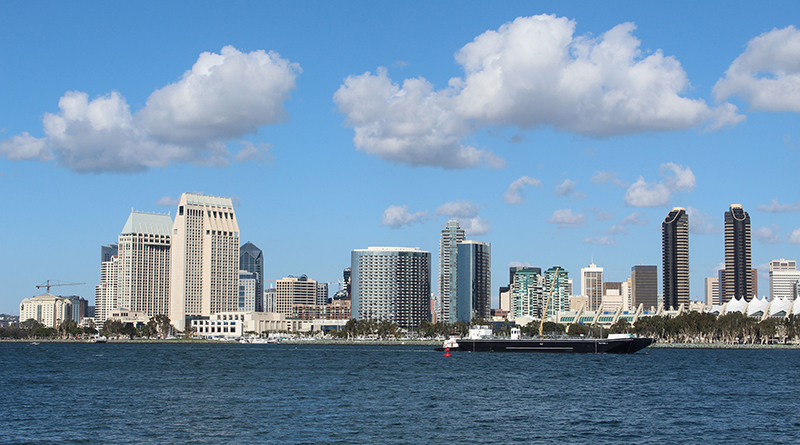
Modern coastal Thanksgivings continue to echo those early maritime moments, although with a style that’s uniquely Southern Californian. In harbors from Ventura to San Diego, boaters decorate their vessels, take part in seasonal parades and gather at yacht clubs for morning runs or holiday brunches. Some choose to anchor out for the day, preparing a meal in the galley while watching winter light settle over the water. Others meet dockside with neighbors, sharing dishes that reflect both classic tradition and the region’s coastal identity. Seafood often appears beside turkey, just as it did at the earliest harvest feasts. The setting may include paddleboards, kayaks and harbor seals, but the spirit remains familiar. It’s a moment to pause, to look around at the people who make a community whole and to acknowledge how fortunate it is to live beside the ocean.
From the anchoring of the Mayflower to the celebrations aboard naval ships and the gatherings happening across Southern California today, Thanksgiving has always found a place on the water. The sea has shaped the journey of the holiday for more than four centuries. As harbor lights glow this season and families gather both on land and aboard their boats, the long tradition of gratitude at sea continues to shine.