When it comes to electrical safety on a boat, few components are as critical, yet as overlooked, as fuses and circuit breakers. These small devices play a big role in preventing fires, equipment damage, and dangerous situations that can arise from electrical faults. Regardless if you’re operating a modest center console with a 12-volt system or a larger cruising vessel equipped with both 12 and 24-volt circuits, understanding how fuses and circuit breakers work can save you from costly repairs and even life-threatening emergencies.
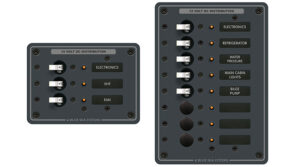
Image credit: www.bluesea.com
A fuse is essentially a deliberate weak link in an electrical circuit, designed to fail when a fault occurs. It contains a thin strip of metal that melts when the current flowing through it exceeds the rated limit for that particular fuse. By doing so, the fuse cuts power to the circuit before wires can overheat, insulation melts, or equipment burns out. This simple yet effective device prevents short circuits and overcurrent situations from escalating into something far more dangerous, such as an electrical fire or permanent damage to your boat’s electronics.
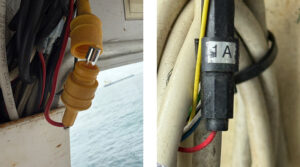
Circuit breakers perform a similar function but operate with a resettable mechanism. When the current exceeds safe limits, the breaker “trips,” interrupting power to the circuit. Unlike a fuse, which must be replaced after it blows, a circuit breaker can typically be reset once the underlying problem is identified and corrected. Both fuses and circuit breakers are essential for managing the electrical safety of a boat, and each has its place, depending on the design of the system and the preferences of the boat owner or manufacturer.
On most recreational boats, the electrical system relies on a 12-volt DC setup. This powers everything from navigation lights and bilge pumps to radios, chartplotters, and refrigeration. On larger vessels, especially those with more demanding electrical loads, a 24-volt DC system may be incorporated for certain circuits, providing greater efficiency and reduced voltage drop over long wire runs. Despite system voltage, the principles behind fuses and circuit breakers remain the same: they are the first line of defense against overcurrent conditions that can damage components or cause fires.
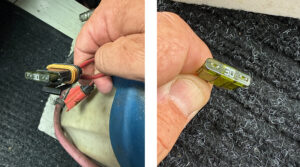
The importance of properly rated fuses and circuit breakers cannot be overstated. Using a fuse with too high of a rating essentially defeats its protective function, allowing excessive current to flow unchecked until wires overheat or insulation fails. Conversely, installing fuses with ratings that are too low can lead to nuisance failures, cutting off power to equipment during normal operation. It’s essential to match the fuse or breaker rating to the wire size and the expected electrical load on each circuit. Marine-grade fuses and circuit breakers are specifically designed to withstand the harsh conditions of the boating environment, including vibration, corrosion, and temperature fluctuations.
Carrying spare fuses onboard is a simple but often neglected part of prudent seamanship. A blown fuse can leave you without navigation lights, radios, bilge pumps, or other vital systems when you need them most. By having a selection of appropriately rated spare fuses readily available, you can quickly replace a blown fuse and restore functionality without compromising safety. Many experienced boaters store spare fuses in labeled compartments near the electrical panel or in a dedicated waterproof container. It’s also wise to carry a basic electrical testing tool, such as a multimeter, to help diagnose electrical faults when they arise.
It’s worth noting that fuses and circuit breakers are only one part of a larger strategy to maintain electrical safety on your boat. Proper wire sizing, quality connections, corrosion prevention, and regular inspection all contribute to a reliable electrical system. But even with the best practices, electrical faults can, and do, happen. When they do, having properly functioning overcurrent protection devices like fuses and circuit breakers ensures that small problems stay small, rather than spiraling into costly damage or dangerous emergencies.
Many insurance claims and accident investigations reveal that electrical fires on boats often stem from either a lack of overcurrent protection or improperly installed fuses and breakers. An undersized wire carrying too much current can quickly overheat and ignite nearby materials. Likewise, a short circuit — where a hot wire comes into contact with ground — can unleash a massive surge of current that generates intense heat. In both scenarios, a correctly rated fuse or breaker interrupts the current flow within milliseconds, preventing the situation from escalating.
Some boat owners may be tempted to bypass or “upsize” a fuse temporarily if it repeatedly blows, assuming it’s merely an inconvenience. But this approach is extremely dangerous, as it ignores the underlying cause of the overcurrent and disables the circuit’s primary safety mechanism. If a fuse blows repeatedly, it’s a clear sign that something is wrong with the circuit, whether it’s a wiring fault, corroded connection, or a failing piece of equipment. Troubleshooting and addressing the root cause is the only safe course of action.
In addition to their role in fire prevention, fuses and circuit breakers also protect your boat’s expensive electronics and equipment from damage. Sensitive devices like chartplotters, radios, fishfinders, and navigation instruments can be ruined by electrical surges or sustained overcurrent. Replacing a fuse is a lot cheaper — and easier — than replacing a fried electronics suite or dealing with the aftermath of an onboard fire.
Today’s boats often come equipped with combination panels that integrate fuses, breakers, and switches in one convenient location. These panels simplify system management and troubleshooting, but they still require routine inspection and maintenance. Corrosion, loose connections, and aging components can compromise the effectiveness of the protective devices, so it’s good practice to inspect your electrical panel regularly, especially before extended trips.
Ultimately, fuses and circuit breakers are small investments that pay big dividends in boating safety. They quietly do their job behind the scenes, but when a fault occurs, they can mean the difference between a minor inconvenience and a major disaster. By understanding their function, matching them properly to your boat’s circuits, and keeping spare fuses on hand, you ensure that your time on the water is not only enjoyable but safe.
The next time you’re onboard, take a moment to locate your fuse panels, check for spares, and familiarize yourself with your boat’s overcurrent protection setup. It could be the most important safety check you make before casting off.