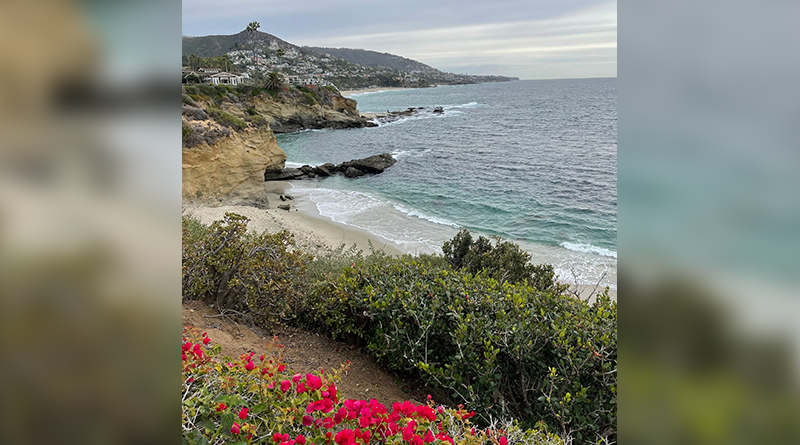
As is typically the case in the spring, we see a couple of low-pressure weather systems push through and meddle with the conditions along the south coast area. Water temps were up and down before stabilizing, and some impressive water movement from the current and the wind has been in play. So, as usual, we make fishing approach adjustments in April and typically into May based on these condition sets.
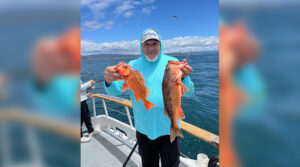
The rockfish bite along the coast has remained very good. The more local shallow rockfish zones have been biting well, meaning closer to the coast and typically under 300 feet of water. The sportboats from LA/Long Beach and Newport Beach have been fishing sculpin and mixing in some rockfish on their trips. The sculpin fishing has been great for the days when the weather makes it tricky to drift or anchor on spots for rockfish. We’ve had good shallow-water rockfish opportunities in the Dana Point area. The catch has consisted of vermilion rockfish, bocaccio rockfish, flag rockfish and chilipepper rockfish.
Along with those staple species, there has been a mix of other rockfish and plenty of sand dabs, too. The best setups along the coastal shallow stretches have been the double dropper loop rigs with size 1 to 2/0 hooks depending on bait size. Please make sure you have a good assortment of hook sizes in your tackle bags if you plan on riding a sportboat. The bait has been smaller anchovies, and size 1 hooks have been perfect. There have been days when sardines have been the bait, and using bigger hooks is necessary. So, as the bait size changes, so should your hook size. Sinker sizes will depend on the depth and current on the day you’re out. We’ve been fishing on some downhill current the last few weeks, so the 8-12 oz torpedo sinkers were needed to get baits to the bottom or into the zones where the fish have been.
The rockfish have been biting extremely well out deeper in water over 400-600 plus feet. Of course, the conditions like current and wind really play a pivotal role in how we’ve been able to catch fish, but again, the catches have been great in the deeper water. The size and quality of the rockfish being caught on the 14 Mile Bank has been fantastic. The bulk of the catch has been bocaccio rockfish, bank rockfish and chilipepper rockfish. Some days, there have been some nice vermilion rockfish and a small sample of lingcod in the mix, too. Anglers fishing the slow-pitch jigs in the 250-350g ranges have been doing well on these deep-water rockfish. As we’ve noted in previous articles and fish reports, jigs have become an effective tool for targeting fish throughout the entire water column—both on the initial drop to the bottom and while retrieving the jig upward through the strike zone. For the more traditional bait anglers choosing to fish baits, we’ve suggested larger 2/0-3/0 hooks. Sometimes, it’s a good idea to pin more than one live bait on a hook when you’re fishing deep water. Having a single bait come off the hook on the 600′ drop to the bottom is a huge possibility, so having a bigger hook and pinning on two baits can be a big advantage. Nobody wants blank hooks when they hit the bottom in 600′ of water! Again, with the conditions of early spring being a player in this, we strongly recommend having a minimum of 16oz sinkers. On some days, even 2-3 lbs can be necessary when the current is strong or the drift is fast, and getting the lines into the fish can be hard when the boat is drifting too fast.
Along the coast, the bass fishing has just perked up a bit, too. Water temperatures in the high 59°-61° range have helped. Flyline calico bass fishing is starting to be more of a possibility on our 1/2 day trips. Smaller hooks in the size 2-4 range have been perfect for the live anchovies. Using a lighter 12-20lb monofilament fishing line has been ideal for this action. Anglers using sinker setups like reverse dropper loops are catching a few more sheephead and whitefish at or near the bottom. We expect to see more and more improvements in bass fishing as we roll into May and the water slowly increases in temperature.
Over at San Clemente Island the fishing continued to be very good. The Fury has been fishing there on their over overnight trips. The mornings of their trips have been spent loading up on nice mixed bags of rockfish. They have been catching plenty of quality rockfish for their anglers. Along with the rockfish they have seen excellent whitefish action. There has been some calico bass action on the surface closer to the kelp and in shallower water. They also had some fun bonito fishing at the island too. There has been live squid in a few zones along the back of the island, so catching some for bait has been part of their nightly routine. You’d think with the squid at the island that the yellowtail, white seabass, and halibut bite would be more likely but that still remains relatively quiet as of now. Just a reminder that if you’re planning a trip to San Clemente Island it’s always best to check the Navy’s Closure website at https://www.scisland.org/schedules/safetyZoneUse/days/1.html to make sure you’re not fishing in a scheduled closure area. Having your VHF on channel 16 is also a must when fishing the island.
The April into May time frame is always a fun one. As conditions keep improving and we push towards our summer season things can change quickly! As long as the water temps keep heading in the right direction and the weather cooperates, we anticipate a fun May!