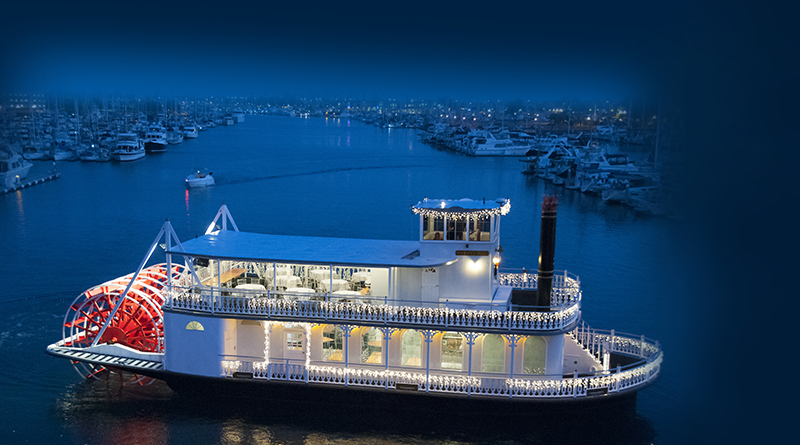
Winter boating might not be the first thing that comes to mind when the temperatures drop and the summer crowds fade, but for those who stay on the water year-round, the season offers a quieter, more reflective experience. Cold mornings bring glassy seas, empty anchorages, and a kind of solitude that summer boating rarely provides. Yet winter boating also carries its own set of challenges, and preparation can make the difference between a peaceful day on the water and a potentially hazardous one.
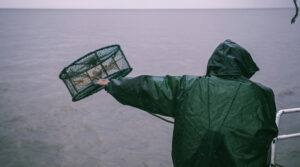
Boaters who venture out in cooler weather must first recognize that safety begins with preparation. Clothing is one of the most critical considerations. Dressing for immersion rather than air temperature means layering properly and ensuring materials stay dry and warm. Moisture-wicking base layers, insulating mid-layers made from fleece or wool, and waterproof outer shells help maintain body heat. A personal flotation device should always be worn, and boaters are advised to check that their inflatable life jackets are functioning correctly. Cold weather can reduce the reliability of CO2 cartridges, so manual activation models may be safer options when water temperatures drop.
Even in Southern California, hypothermia can set in quickly for someone who falls overboard. Water in the 50- to 60-degree range may not seem dangerously cold, but the body loses heat rapidly in these conditions. Boaters should practice man-overboard procedures with their crew, keeping retrieval lines and ladders accessible and ensuring everyone knows their role. Having a float plan shared with someone on land is another essential safety measure. Winter conditions can change fast, and limited daylight makes it more important than ever to account for delays or emergencies.
Mechanical preparation is just as important as physical readiness. Engines and batteries behave differently in lower temperatures, so maintenance should be thorough. Check coolant levels, inspect hoses for cracks, and replace fuel filters if needed. Cold air and water can create condensation in fuel tanks, which can lead to water contamination in the fuel system. Keeping tanks topped off and using a fuel additive can help prevent this issue. Batteries also lose efficiency in the cold, so it’s wise to carry a spare or keep one fully charged on board.
Bilge pumps, plumbing lines, and freshwater systems should all be checked before heading out. Any standing water that freezes can damage components, and even in coastal areas where freezing is rare, nights can dip low enough to cause problems. Inspect hatches, windows, and canvas enclosures to ensure they’re sealed tightly against wind and rain. A small leak on a warm summer day may go unnoticed, but in winter it can make for an uncomfortable and potentially unsafe voyage. Heating systems, if installed, should be vented properly, and every enclosed vessel should have a working carbon monoxide detector.
Monitoring weather is always part of good seamanship, but it becomes especially important during the colder months. Winter fronts can arrive suddenly, bringing wind shifts, rain, or fog. Boaters should consult marine forecasts from NOAA and pay close attention to small craft advisories or offshore wind warnings. Planning trips around daylight is another consideration, as the sun sets earlier and temperatures drop rapidly after dark. Carrying extra lighting and navigation tools helps ensure a safe return even if schedules slip.
Fog is another common feature of winter boating. Reduced visibility requires vigilance and preparation. Radar reflectors, AIS systems, and proper use of sound signals become crucial tools. Those without radar should avoid traveling in dense fog if possible, or proceed at reduced speed while maintaining sharp lookout and communication with nearby vessels.
While the colder season brings challenges, it also offers rewards that few other times of year can match. With fewer boats on the water, marinas are quieter, anchorages are more peaceful, and the ocean feels vast and still. Wildlife sightings increase, as many marine mammals and birds migrate along the coast during winter months. Whale-watching boats begin to fill their schedules in December, and private boaters often spot gray whales and dolphins during calm offshore days.
Boaters can make these experiences more enjoyable by preparing for comfort. Pack hot drinks in thermoses, bring insulated gloves and hats, and consider adding removable wind screens or cockpit enclosures. Portable heaters or hand warmers can make long runs more pleasant, but safety should always come first when using any device that burns fuel or consumes oxygen in enclosed spaces.
Environmental awareness is another part of responsible winter boating. Heavy rain and runoff can carry pollutants from inland areas into the ocean, creating temporary water quality issues near river mouths and harbors. Avoid boating or swimming in these areas within a few days after major storms. Boaters can also do their part by ensuring that bilges are clean and that oil or fuel residues aren’t discharged overboard. Using biodegradable cleaning products, collecting trash, and picking up litter left behind by storms are simple ways to protect marine habitats during a vulnerable season.
Preparation also includes thinking about what might happen if something goes wrong. Cold weather reduces reaction time, and fatigue sets in faster, so emergency gear should be accessible and in working order. Carry spare blankets, extra food and water, and backup communication equipment. Waterproof flashlights, extra batteries, and a fully charged handheld VHF radio can be invaluable if systems fail.
While some boaters haul their vessels out for the winter, those who stay active find that the off-season provides opportunities to tackle maintenance projects and refine their seamanship skills. Systems checks, varnish work, or small repairs can be managed between short winter cruises. Keeping the boat in motion helps prevent mechanical problems that can arise when engines sit idle for months.
Cold-weather boating isn’t about pushing limits but about appreciating a different side of the sea. It asks for a little more care, a little more respect for the elements, and a readiness to adapt. With proper preparation, it can be one of the most rewarding times to be on the water. Calm seas, clear skies, and the quiet rhythm of winter tides remind us that boating is not just a summer pastime but a year-round connection to the ocean. By preparing thoughtfully and boating responsibly, mariners can stay safe, comfortable, and inspired even as the air cools and the harbors grow still.