Understanding the Meaning Behind Life on the Water
As defined by Merriam-Webster, maritime is “of, relating to, or bordering on the sea,” as well as “of or relating to navigation or commerce on the sea,” and even “having the characteristics of a mariner.” While the definition is straightforward, its meaning takes on far greater depth within coastal communities like those throughout Southern California.
Each year, Maritime Month is observed throughout May, with National Maritime Day serving as a focal point on May 22. The designation offers an opportunity to recognize the industries, individuals, and traditions tied to the ocean, from global shipping networks to local harbors and recreational boating.
The origins of National Maritime Day date back to 1933, when a Joint Congressional Resolution established May 22 to recognize the men and women of the U.S. Merchant Marine and the many maritime workers who have supported commerce and national defense since 1775. As noted by the Port of San Diego, the observance has since expanded well beyond a single day, with ports across the country extending the recognition into a month-long celebration.
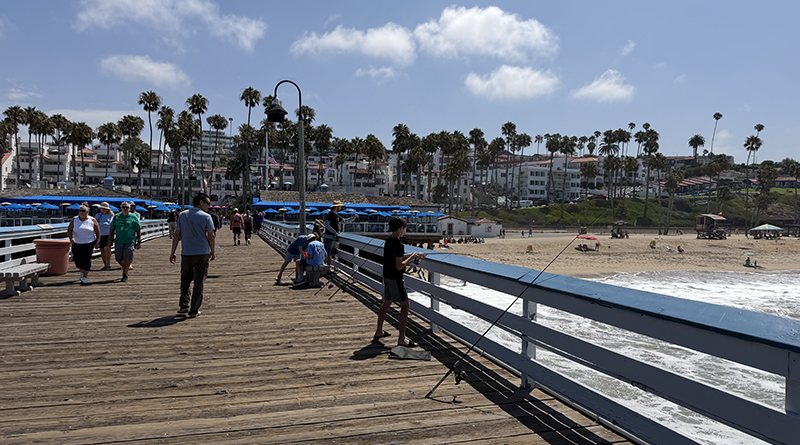
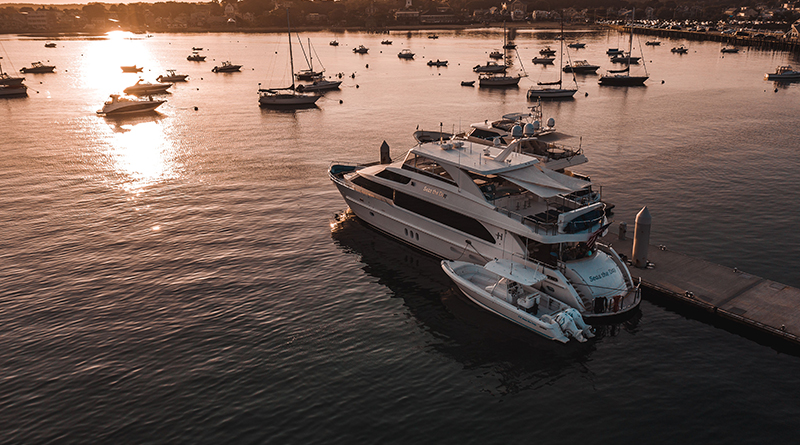
For The Log, Maritime Month isn’t simply a date on the calendar, but a reflection of the publication’s ongoing mission. Coverage naturally expands beyond lifestyle features to include the full scope of the maritime world, including working waterfronts, port operations, marine education, environmental stewardship, and the professionals who keep the industry moving. It’s a time to connect readers with the broader system they are part of, whether they are fishing offshore, cruising a harbor, or maintaining a vessel. In many ways, it reinforces the idea that recreation and industry are not separate, but deeply connected.
That connection is especially visible at the Port of San Diego, where Maritime Month is framed as both a celebration and a recognition of impact. “Maritime Month and National Maritime Day in May are an opportunity for the Port of San Diego to pay special tribute to merchant marines, to celebrate the benefits that the maritime industry provides to our everyday life, and to recognize the thousands of employees who work along the waterfront,” according to the Port of San Diego. The port continues the tradition each year by extending the observance into a broader, month-long recognition.
Beyond celebration, the maritime industry remains a powerful economic force throughout the region. The Port of San Diego emphasizes that the industry “plays an important role in our region’s history, and it is an economic driver supporting thousands of jobs along our waterfront,” pointing to sectors such as cargo, cruise, shipbuilding and repair, and commercial and sportfishing as key contributors to the region’s identity and economy.
Those sectors are not abstract concepts but highly active components of daily life along San Diego Bay. Cargo operations alone move more than $25 billion in imported goods annually, while cruise terminals bring thousands of visitors to the waterfront each year. Shipbuilding and repair continue to support both commercial and military vessels, and the fishing industry maintains its longstanding legacy in a region once known as the “Tuna Capital of the World.” Together, these industries illustrate how maritime activity supports both economic vitality and cultural heritage.
At the same time, the Port of San Diego continues to position itself at the intersection of industry and environmental responsibility. The port describes itself as “a champion for the environment” and remains committed to advancing maritime operations that support both a prosperous and a green way of life. This balance is reflected in initiatives like the Maritime Clean Air Strategy, adopted in 2021, which outlines efforts to improve air quality while maintaining efficient port operations.
In alignment with that strategy, the Port of San Diego is implementing programs such as the Clean Cargo Project, which focuses on reducing harmful emissions through electrification and advanced technologies at its cargo terminals. According to the Port of San Diego, improving air quality while meeting the needs of maritime clients remains a priority, with more than $227 million already committed toward infrastructure, equipment, and emissions-reduction efforts. These investments demonstrate how ports are evolving to meet modern environmental expectations without sacrificing operational efficiency.
Maritime Month also creates opportunities for the public to engage more directly with the industry. In San Diego, that includes initiatives designed to bring the community closer to working waterfront operations. The Port of San Diego invites the public to participate in Maritime Month through experiences such as free bus tours of its cargo terminals and waterfront areas, offering a behind-the-scenes look at operations that are often out of view.
In addition, the Port uses the month to highlight programs that support environmental progress, including its voluntary Vessel Speed Reduction Program. As described by the Port of San Diego, the initiative encourages vessel operators to reduce speeds within 40 nautical miles of San Diego Bay in order to lower air emissions, protect marine life, and improve overall air quality. Efforts like these reinforce the idea that maritime progress is not only measured in economic output, but also in environmental stewardship.
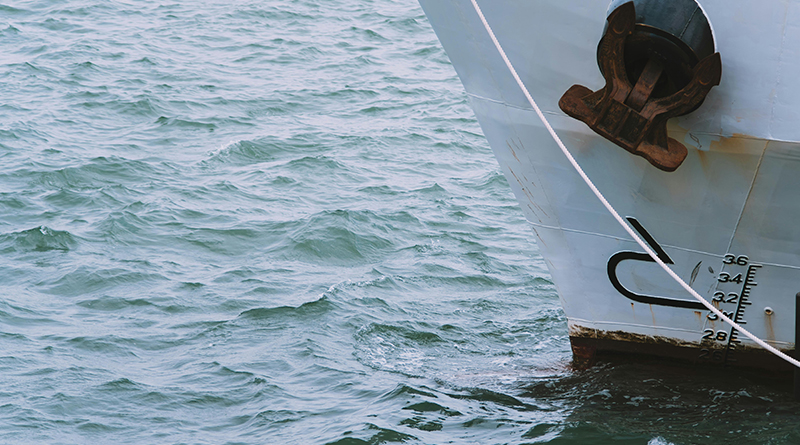
On a personal level, Maritime Month also invites reflection. As editor of The Log, I see maritime as something rooted in understanding, respect, and education. It’s about helping others appreciate fishing not just as recreation, but as a responsibility, one that includes following regulations and protecting ocean resources. It’s about recognizing the work happening at ports, often out of sight, and respecting the people behind it. It also includes the sailing community that preserves tradition and the boating community that embraces both sport and lifestyle. Maritime is not one single idea. It spans from the barnacle-covered hull at the bottom of the harbor to the top of a tall ship’s mast, representing a shared connection to the water in all its forms.
On a global scale, that connection is guided by organizations like the International Maritime Organization, which sets international standards for safety, security, and environmental performance. Its current theme, “From Policy to Practice: Powering Maritime Excellence,” reflects a focus on turning regulations into real-world action. The goal is not only to create policy, but to ensure it is implemented effectively, supporting a maritime industry that is safe, efficient, and environmentally responsible. The initiative also aligns with broader global efforts tied to sustainability, climate action, and the protection of ocean ecosystems.
For readers, Maritime Month is more than a celebration. It is a reminder of participation. Supporting the maritime industry can be as simple as practicing responsible boating, properly maintaining vessels, following fishing regulations, and staying informed about environmental impacts. Reporting hazards, preventing pollution, and respecting working waterfronts all contribute to the health of the broader system.
Ultimately, maritime matters because it touches nearly every aspect of coastal life. It supports economies, provides recreation, connects communities, and shapes the identity of regions like Southern California. Whether experienced through a day on the water or through the movement of global trade, it remains an essential part of both local culture and the wider world.
As Maritime Month is recognized this May, it serves as an opportunity not only to celebrate, but to better understand the depth of that connection and to continue supporting the industry, environment, and community that make life on the water possible.