Simple habits at the dock can make the difference between a smooth launch and a long morning.
For many Southern California boaters, a day on the water begins long before the first line hits the ocean or a wake forms behind the hull. It starts at the launch ramp, where preparation, timing, and awareness can set the tone for everything that follows.
From Dana Point Harbor to Marina del Rey, and even at inland destinations like Big Bear Lake or Lake Perris, busy launch ramps are a familiar scene, especially as spring turns to summer. Lines build early, tempers can rise, and for newer boaters, the process can feel like an unspoken routine everyone else seems to understand.
That “routine” is really a set of unwritten rules, often referred to as ramp etiquette. And according to experienced boaters, following them is one of the easiest ways to avoid what many call “ramp rage.”
At its core, ramp etiquette comes down to preparation. Before even getting in line, boaters should have their vessel fully ready for launch. That means loading gear, removing tie-down straps, checking systems, and making sure everything from electronics to safety equipment is in place. Waiting until the boat is halfway down the ramp to get organized slows everyone down and creates unnecessary congestion.
The same principle applies at the courtesy dock. While it serves an important role for picking up and dropping off passengers, it isn’t designed for extended use. Boaters are encouraged to keep stops brief, avoid tying up for long periods, and move away promptly so others can cycle through.
Positioning also plays a role. In multi-lane ramps common throughout Southern California, staying within your space and leaving room for others ensures that more boats can launch efficiently. At smaller lakes and single-lane ramps, patience becomes even more important, as boaters take turns in a clearly defined order.
Understanding that order is key. The general rule is simple: the next trailer in line goes next. Even if a boat arrives early by water, it’s considered courteous to wait until the tow vehicle and trailer are ready before moving into position. It’s a small gesture that keeps the system fair and predictable.
Many seasoned boaters also emphasize the value of teamwork. Launching and retrieving a vessel is significantly smoother with two people, one handling the vehicle and trailer, the other managing the boat. Not only does this speed up the process, it reduces the likelihood of mistakes, especially in crowded or high-pressure conditions.
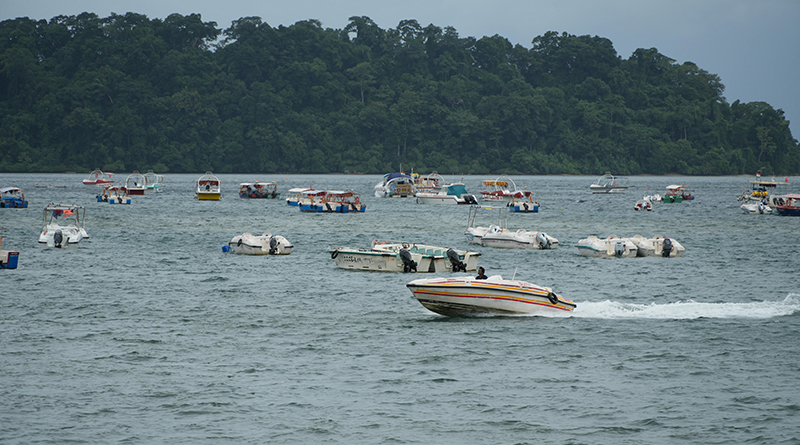
Once on the water, the focus shifts to awareness. Maintaining slow speeds and avoiding wake near launch areas is not just courteous, it’s essential for safety. Excessive wake can disrupt boats in the process of launching or loading, creating hazardous situations in tight quarters.
Equally important is knowing when to step aside. If something is not quite ready, whether it’s a mechanical issue, missing gear, or a last-minute adjustment, pulling out of line to prepare allows others to proceed without delay. The same goes for socializing. While the launch ramp can feel like a gathering place, conversations are best saved for once the boat is clear of the dock.
Even small details can make a difference. One commonly overlooked step is turning off vehicle headlights during early morning launches. Bright lights can impair visibility for others trying to back trailers into the water, particularly at multi-lane ramps before sunrise.
While much of this etiquette is rooted in common sense, it plays an increasingly important role as boating activity continues to grow across the region. Southern California’s coastal harbors aren’t the only places where these habits matter. Boaters heading inland to lakes and reservoirs encounter the same challenges, often in tighter spaces with fewer launch lanes.
In both environments, the goal is the same. Keep things moving, minimize delays, and create a safer, more enjoyable experience for everyone involved.
A smooth launch is rarely the result of luck. It’s the product of preparation, awareness, and a willingness to work within a shared system. For boaters across Southern California, mastering that process is just as important as anything that happens once the lines are cast off.