From offshore classics to local race series, preparation is key before crossing the start line.
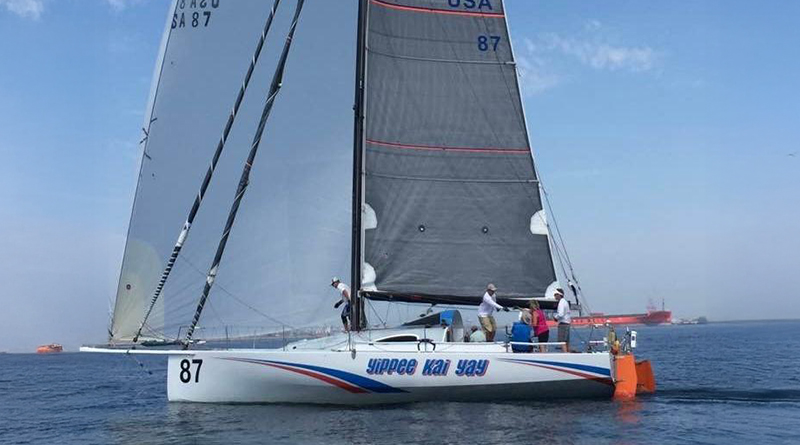
As summer approaches, Southern California’s sailing calendar begins to fill with some of the region’s most anticipated regattas, drawing everyone from seasoned offshore racers to youth sailors just getting their start. From iconic distance races to competitive harbor series, the season offers no shortage of opportunities to test skill, strategy, and preparation.
Major events like the Newport to Ensenada International Yacht Race, the Islands Race, and ongoing regional competitions organized through the Southern California Yachting Association set the tone for the season, while events such as the San Diego Crew Classic highlight the broader competitive culture on the water. Together, they create a rhythm that defines summer sailing in Southern California.
In addition to major races, traditional yacht club events also play an important role in marking the start of the season. One such event to keep an eye on is the Dana Point Yacht Club’s 74th Opening Day Ceremony on May 16, which includes a boat parade and review followed by a formal ceremony and reception. Opening Day events like this are a longstanding maritime tradition, bringing together local boating communities to celebrate the season ahead while showcasing decorated vessels and club pride.
But while the spotlight often falls on race day, experienced sailors know that success begins long before the starting horn sounds.
Preparation is one of the most critical, and often overlooked, aspects of racing. According to guidance from SailZing, effective regatta preparation starts weeks in advance, beginning with understanding the Notice of Race and Sailing Instructions. These documents outline everything from course configurations to scoring systems and protest procedures, and failing to review them can leave even experienced crews at a disadvantage.
Local racing veteran Barry Senescu, a member of Dana Point Yacht Club for more than 30 years and a longtime racer, boat owner, and race official, echoed that sentiment, emphasizing that preparation starts with the fundamentals. “The fleet should be carefully scrutinized to ensure every boat is truly shipshape and equipped with all the necessary gear to be safe and seaworthy,” Senescu said. “That means a comprehensive inspection, inside and out, not just a quick once-over.”
Equally important is setting a clear goal before arriving at the regatta. Whether it is improving starts, refining boat handling, or simply gaining experience, having a defined objective helps sailors stay focused throughout the event.
Logistics also play a significant role, particularly for Southern California racers traveling between venues. Coordinating trailer transport, arranging accommodations, and arriving early to practice at the host location can make a noticeable difference. Sailors are encouraged to familiarize themselves with local conditions, including wind patterns, currents, and potential hazards, which can vary significantly between coastal venues like Newport Beach and more enclosed waters such as Mission Bay or inland lakes.
In the days leading up to a regatta, attention shifts to preparation on the water and onboard the vessel. Checking the boat thoroughly for mechanical issues, cleaning hull surfaces, and organizing gear are all essential steps. Crew readiness, Senescu noted, should be evaluated just as closely as the boat itself. “You also need to take a close look at your crew after the offseason,” he said. “Make sure everyone is physically ready to race and willing to commit to the season. If you have new crew members, they may need additional training, and even experienced sailors can be a little rusty coming back.”
Training and safety drills are another area where preparation can make a meaningful difference. Senescu pointed to recent real-world experiences that have reinforced this importance. “A recent man-overboard on an afternoon race off Dana Point reinforced the importance of practicing man-overboard drills, and we are incorporating this into our Thirsty Thursday season this year,” he said. “We also have frequent First Aid and CPR primers hosted by our Fleet Surgeon, Vicki Sweet, so response in an emergency can be spontaneous and swift. Old salts can tend to get complacent, so it is vital that every single crew member takes an active part in the safety of the boat and their teammates.”
On race day, timing becomes critical. Many experienced racers aim to be on the water at least 30 to 60 minutes before the start, allowing time to tune the boat, observe wind conditions, and run practice starts. This pre-race window is where much of the strategic groundwork is laid, from identifying favored sides of the course to fine-tuning sail trim and boat speed. Senescu recommends building that preparation into a consistent routine. “Plan practice days ahead of major races and make safety briefings part of your routine every time the boat leaves the dock,” he said. “That consistency is what sets strong teams apart.”
For Southern California sailors, this preparation often includes adapting to dynamic coastal conditions. Sea breezes, shifting winds near headlands, and variable swell patterns can all influence race outcomes. Offshore races like the Newport to Ensenada demand long-range planning and endurance, while shorter harbor races require quick decision-making and precise maneuvering.
The same preparation principles apply beyond the coast. Many Southern California boaters also compete or practice on inland lakes such as Big Bear Lake or Lake Arrowhead, where wind patterns behave differently. In these environments, understanding localized shifts and shoreline effects becomes even more important, reinforcing the need for adaptability across different venues.
Beyond the technical aspects, preparation also extends to the sailors themselves. Proper rest, hydration, and mental focus are all part of the equation. SailZing emphasizes the importance of arriving organized and minimizing distractions, noting that even small oversights can impact performance on the water. Senescu agreed, noting that many common mistakes stem from a lack of preparation. “Not being prepared is the biggest issue,” he said. “Not reading the Notice of Race and Sailing Instructions ahead of time and getting the course or times wrong, and not preparing for changes in the weather.”
For newer racers, yacht clubs throughout the region are working to build confidence and create accessible entry points into the sport. At Dana Point Yacht Club, Senescu said structured opportunities are designed to help sailors of all skill levels get involved. “Our Thirsty Thursday races offer a great opportunity for novices to hop aboard a boat for friendly competition without all guns blazing,” he explained. “These non-spinnaker races help newcomers learn the basics of the start sequence, boat handling, and course navigation, and give them a taste of how fun and exciting racing can be.”
Those weekly races, which run from May 7 through Aug. 27, are designed to be approachable and social, with courses selected based on conditions to keep races competitive while still allowing crews to return to the dock for post-race camaraderie.
Additional events, such as the Ensenada Tune-Up co-hosted with South Shore Yacht Club and the Around Catalina Race co-hosted with Cabrillo Beach Yacht Club, provide further opportunities for sailors to refine their skills. “Our goal is to ensure that everyone of all abilities and backgrounds has an opportunity to enjoy racing,” Senescu said.
Ultimately, regatta season in Southern California is as much about preparation as it is competition. Whether racing offshore to Mexico, navigating the Channel Islands, or lining up on a local start line, the most successful sailors are often those who have done the work before the race begins.
As the summer calendar fills and sails begin to dot the horizon, one thing remains consistent across every fleet and venue. The difference between a good race and a great one often comes down to what happens long before the countdown reaches zero.