New partnership with Fuel 1 brings sustainable, high-performance marine fuel directly to dealerships, offering Southern California boaters improved reliability, convenience, and environmental benefits.
Suzuki Marine is taking a step that could meaningfully change how boaters access and think about fuel on the water. Through a new partnership with Fuel 1, a national retailer of advanced fuel delivery systems and a PurFuels distributor, Suzuki is working to make ethanol-free, sustainable marine fuel more readily available — starting directly at its dealer network.
For boaters, particularly in regions like Southern California where year-round use, saltwater exposure, and long runs offshore are the norm, fuel quality is not just a convenience. It’s a key factor in performance, reliability, and long-term engine health. This new initiative aims to address those concerns while also aligning with broader environmental goals across the recreational boating industry.
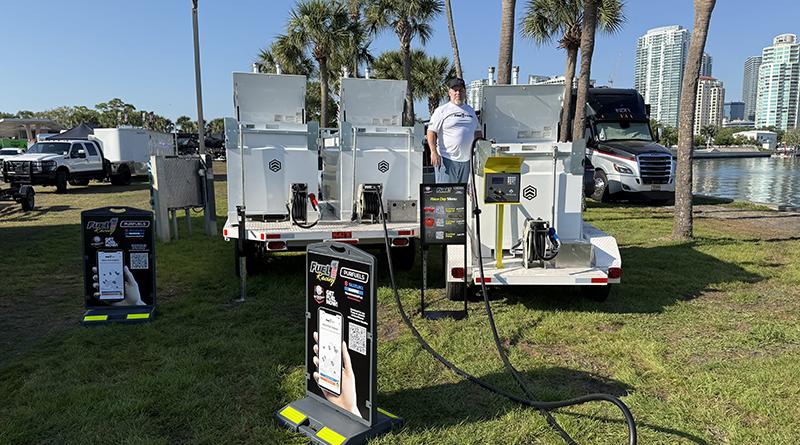
At the center of the partnership is the introduction of a “micro-station” fueling model, which allows Suzuki Marine dealers to offer 93-octane, ethanol-free fuel specifically formulated for marine conditions. These compact fueling stations are installed and supported by Fuel 1 at no cost to the dealer, removing the financial barrier that often prevents smaller operations from offering fuel services.
In practical terms, this means boaters could soon have access to specialized marine fuel at locations where they already service their engines, purchase parts, or prepare for trips. For Southern California boaters navigating busy harbors like Newport Beach, Dana Point, or San Diego, the ability to fuel up at a trusted dealership — rather than relying solely on marina fuel docks — could offer a new level of flexibility.
According to Suzuki Marine, the partnership is rooted in both performance and sustainability. “Making sustainable marine fuels more accessible in different areas of the country is a great win for our dealers and customers alike,” said Brandon Cerka, Vice President of Sales and Marketing for Suzuki Marine, in a statement. “This partnership is also a major step in Suzuki Marine’s ongoing effort to reduce the environmental footprint of boating.”
For many boaters, the mention of ethanol-free fuel immediately signals improved engine performance and fewer maintenance concerns. Ethanol-blended fuels have long been associated with issues such as water absorption, phase separation, and fuel system corrosion — problems that are especially pronounced in humid, saltwater environments like those found along the Southern California coast.
The PurFuels product being introduced through this partnership is designed to eliminate those risks. With no ethanol content, the fuel offers greater stability over time, with storage life reportedly extending beyond three years. That stability can be particularly beneficial for seasonal boaters, as well as those who may not use their vessels consistently but still want confidence that their fuel system will perform when needed.
Beyond storage, the fuel is engineered to perform under the specific conditions that define marine use. High humidity, fluctuating temperatures, and extended periods of inactivity can all impact fuel integrity. By addressing those variables, ethanol-free fuel helps ensure consistent combustion, smoother engine operation, and reduced wear on critical components such as hoses, seals, and injectors.
Suzuki Marine notes that it has already tested these fuels extensively within its own operations. According to Cerka, the company has used PurFuels products at its U.S. Technical Center for engine testing, durability trials, and performance benchmarking. Those evaluations have demonstrated improvements in efficiency, longevity, and overall engine reliability.
For Southern California anglers running offshore in pursuit of tuna, yellowtail, or dorado, or for cruisers making longer passages to Catalina Island or beyond, those benefits can translate into tangible advantages. Improved fuel efficiency can extend range, while cleaner combustion can reduce maintenance intervals and unexpected mechanical issues.
The environmental component of the partnership also reflects a growing shift within the boating industry. As ports, manufacturers, and operators work toward reducing emissions and minimizing environmental impact, fuel has become a central part of the conversation.
Cleaner-burning fuels like those offered through PurFuels produce fewer emissions and reduce evaporative losses, contributing to improved air quality and reduced environmental strain. While not a complete solution, they represent a step toward more sustainable boating practices without requiring major changes to existing engines or infrastructure.
One of the key advantages of the fuel being introduced is its “drop-in” compatibility. Boaters do not need to modify their engines or invest in new equipment to use it. This lowers the barrier to adoption and allows for a gradual transition toward cleaner fuel options.
In addition to fixed micro-stations at dealerships, the Fuel 1 model includes portable fueling solutions such as 20-gallon exchange pods and tote systems. These options are designed to make fueling more accessible, particularly for boaters who may not be located near traditional fuel docks or who prefer to transport fuel directly to their vessels.
For Southern California’s diverse boating landscape — ranging from slip holders in large marinas to trailer boaters launching from public ramps — this flexibility could prove especially valuable. It also opens the door for expanded fueling access in areas where infrastructure is limited or heavily congested.
While the benefits for boaters are clear, the program is also structured to support dealers. Through a revenue-sharing model, participating Suzuki Marine dealers can generate additional income while offering a service that enhances customer experience. Fuel 1 handles logistics, including compliance, inventory management, and refueling, allowing dealers to integrate the system without taking on additional operational burdens.
From a broader perspective, the partnership represents a shift in how marine fuel may be distributed in the future. Rather than relying solely on centralized fuel docks, the industry is exploring more decentralized, flexible solutions that bring fuel closer to where boaters already interact with marine services.
For readers of The Log, many of whom operate in high-traffic, high-demand boating environments, this development signals a move toward greater convenience and improved performance. Whether preparing for a weekend cruise, a fishing trip offshore, or routine maintenance, access to reliable, purpose-built fuel can play a significant role in the overall boating experience.
As this program rolls out, its success will likely depend on how widely it’s adopted within dealer networks and how effectively it integrates into existing boating routines. But the foundation is clear: improved fuel quality, easier access, and a step toward more sustainable operations.
For Southern California boaters, where time on the water is both a lifestyle and a commitment, those are changes worth watching.